01 /Service
Research Collaboration and Technical Writing
Useful when a project needs more than code: methodology framing, whitepaper structure, and writing that has to hold up for an academic reviewer and an executive in the same afternoon.
- 1-6 weeks depending on artifact depth and collaboration model
- Timeline
- 4
- Deliverables
- 5
- Regions
- 6
- Skills
1-6 weeks depending on artifact depth and collaboration model
Typical timeline
4
Core deliverables
2
Common fit checks
5
Targeted markets
“Useful when a project needs more than code: methodology framing, whitepaper structure, and writing that has to hold up for an academic reviewer and an executive in the same afternoon.
What this can include
Expected outcomes and deliverables
The exact mix depends on scope, but these are the kinds of outcomes this service is designed to produce.
Research collaboration scoping and technical framing
Whitepaper, technical report, or publication-ready support
Engineering narratives that connect systems, evidence, and decisions
Documentation that helps collaborators evaluate work quickly
Engagement pattern
How the work usually unfolds
A practical delivery model that keeps momentum high without losing architectural clarity.
Step 01
Context and constraints
Clarify business goals, current bottlenecks, stakeholder expectations, and the technical realities the engagement has to respect.
Step 02
Technical framing
Translate the problem into a realistic delivery approach with clean boundaries, practical milestones, and a clear definition of useful progress.
Step 03
Execution with visibility
Ship in reviewable increments with transparent communication, implementation notes, and enough structure for stakeholders to stay aligned.
Step 04
Handoff and next leverage
Leave behind documentation, reusable patterns, and a clearer path for the next phase instead of creating a black-box dependency.
Coverage
Relevant tools, environments, and markets
A compact view of the capabilities and geographies most closely associated with this service line.
- Technical Writing
- Whitepapers
- Research Collaboration
- Documentation
- System Design
- AI + FinTech
- United States
- United Kingdom
- Europe
- Middle East
- Pakistan
Service FAQ
Questions that usually come up
A few practical answers for teams evaluating fit, engagement shape, and delivery expectations.
Is this only for universities?
+
No. It also fits startups, founders, advisory contexts, and technically serious product teams that need stronger articulation.
Can this pair with implementation work?
+
Yes. It often works best when technical writing and delivery strengthen each other.
Next Steps
Continue exploring services
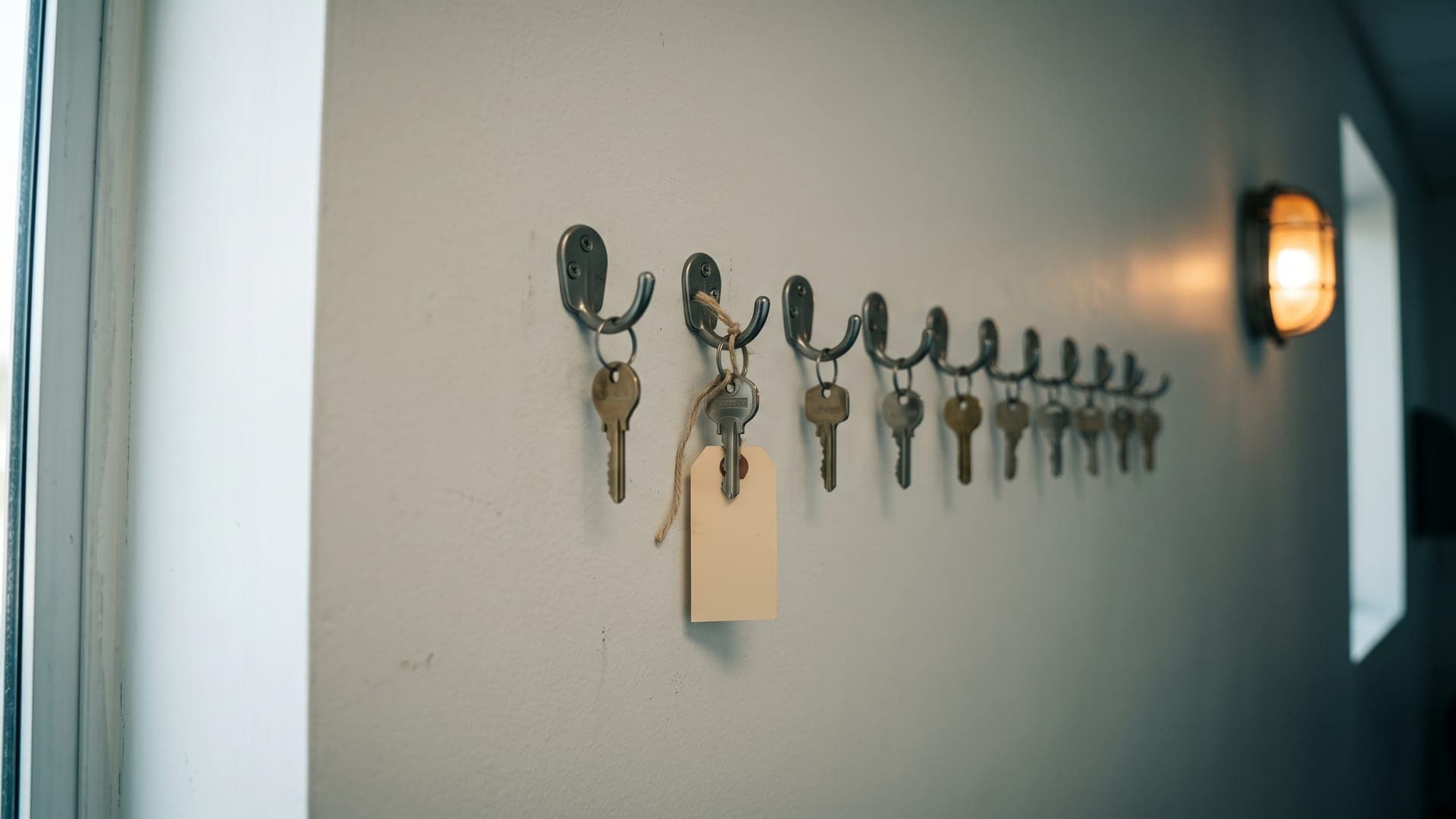
Is Documentation Actually Worth the Time? A Career Case
Google dedicated an entire chapter of its own engineering practices book to knowledge sharing, not as a nice-to-have but as infrastructure. The career case for writing it yourself is less about the company and more about what survives you leaving.

What Professors Actually Need from Industry Research Collaborators
Professors don't need enthusiasm from industry collaborators. They need a scoped question, documented reasoning, and respect for the review cycle.

Research Collaboration Between Engineers and Professors: A Practical Model
Most academic-industry collaborations stall on logistics, not ideas — mismatched timing, evidence standards, and what actually counts as progress. Here's a model that holds up.

CRM Webhooks and Real-Time Sync Architecture, Explained
CRM webhooks promise real-time sync, but delivery is at-least-once and unordered. Here's the architecture that makes that safe: dedup, versioning, and reconciliation.
- All services
Return to the full service catalog.
- Projects
See examples of the kinds of outcomes this service supports.
- Contact
Share your use case and discuss fit directly.
Where to go next
Core engagement lines
- Full-Stack Web EngineeringOne of ten core service lines, architecture through ship.
- AI and Agentic SystemsAgents, automations, and model-connected product work.
- GTM & RevOps AutomationRevenue workflows scoped and engineered, not bolted on.
- Cloud Architecture and OptimizationCross-service infrastructure and cost decisions.
- Data Engineering and ObservabilityPipelines and dashboards operators can act on.
- Platform Modernization and Developer ExperienceMonorepo, CI, and workflow friction, fixed at the root.
More specialist scopes
- Prototype-to-Production EngineeringTurns a working demo into something users can trust.
- React Native Product EngineeringFor mobile releases that outgrow one person's memory.
- Engineering Mentorship and Code Review SystemsReview standards that outlast a single senior bottleneck.
- Open-Source Package and Developer Tool EngineeringFor the library that became an unbounded internal platform.